



How We Make the 200mm Hollow Gripper for AMAT Ion Implanters, In-House
From CAD model to finished, inspected assembly, IES Semiconductor Parts builds the 200mm/8-inch hollow gripper entirely under one roof for 9500,...
5 min read
A gas panel doesn't have to run for a single hour to develop a leak. Here's why IES Semiconductor Parts pressure and leak tests every gas panel before it leaves the warehouse, whatever its history.
When a customer orders a gas panel described as new, the assumption is understandable: new means untouched, and untouched means it works. In IES Semiconductor Parts, that assumption doesn't always hold. A gas panel can be genuinely new from the original equipment manufacturer (OEM) and still have spent years sitting in a box, a warehouse, or bolted to a tool that was decommissioned before it was ever commissioned. Time and storage conditions can affect seals and fittings just as much as actual use does.
That is why IES Semiconductor Parts leak checks every gas panel before it ships, regardless of whether it is unused OEM stock, a refurbished unit, or a part sourced from used semiconductor equipment. The goal is simple: the customer should never be the one who discovers a leak.
|
What is a gas panel? A gas panel is the sub-assembly on a semiconductor tool responsible for regulating, metering and delivering process gases into the process chamber. On an ion implanter, this can include highly hazardous gases such as arsenic, boron and phosphorous compounds. A gas panel combines mass flow controllers, valves, regulators and gas lines, and depends on every seal and fitting holding pressure precisely — which is exactly what a leak test verifies before a panel is put back into service. |
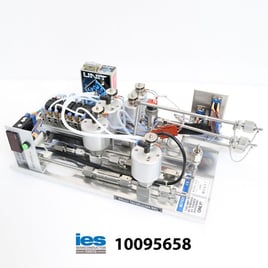
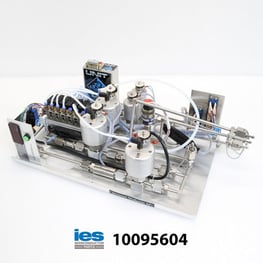
Gas panels are precision assemblies built from multiple seals, gaskets, welded joints and mechanical fittings. None of that depends on the panel having been powered up or connected to a process line. Storage conditions, temperature changes, vibration during transport, and simply the passage of time can all affect a seal's integrity.
This matters more in this industry than most, because so much of the equipment in the field is legacy. The original equipment manufacturers behind many of the implanters still running in fabs today — names like Applied Materials, Axcelis and Varian — stopped making parts for older tool generations years ago. That means a lot of the gas panels and other components changing hands have already been sitting somewhere for a considerable time before they reach a customer, whether they came out of a decommissioned tool, a supplier's shelf, or years of careful storage.
● Perished or hardened seals and O-rings, even where the fitting itself looks undamaged
● Loosened or corroded fittings from temperature cycling during storage or transport
● Micro-leaks at welded joints that only show up under proper pressure testing, not a visual check
● Valve components that have seized slightly and no longer seat fully
IES Semiconductor Parts has built up its own test equipment and jigs over years of repairing and testing components for implanters and other legacy tools. Every gas panel — new, used or remanufactured — goes through a pressure and leak check on that equipment before it is approved to ship. It is a straightforward, unglamorous step, but it is the difference between a customer receiving a part that is probably fine and a part that has actually been proven fine.
On a tool-down situation, a missed leak is not a minor inconvenience. If a gas panel fails after it has already been installed, the fab has to shut the line down again, pull the part back out, and wait for a replacement — adding days of further downtime on top of whatever caused the original outage. With gases as hazardous as those used in ion implantation, an undetected leak is also a safety issue, not just a production one. Leak testing before shipping is what stands between 'this should work' and 'this has been proven to work'.
|
Gas panel source |
How IES Semiconductor Parts tests it before shipping |
|
New OEM stock that has been in storage |
Full pressure and leak test — storage time and conditions are treated as a risk factor, not a guarantee of condition |
|
Used, sourced from decommissioned tools |
Full pressure and leak test, plus visual and functional inspection of valves and fittings |
|
Remanufactured or repaired in-house |
Full pressure and leak test as the final step before release, following repair and reassembly |
The provenance of a gas panel affects its price and how quickly it can be supplied. It does not change the standard it has to meet before it ships. That consistency is what customers are really paying for when they buy semiconductor parts from a specialist rather than an unverified listing.
Every gas panel listed on the IES Semiconductor Parts store is tied to its original equipment manufacturer (OEM) part number, so customers can confirm fit before they buy. Some examples currently in stock:
|
Gas panel |
OEM part number |
|
Gas Panel – Arsine AsH3 (AMAT) |
|
|
Gas Panel – Boron Trifluoride BF3 (AMAT) |
|
|
Gas Panel – Carbon Dioxide CO2 (AMAT) |
|
|
Gas Panel – Carbon Tetrafluoride CF4 (AMAT) |
|
|
Gas Panel – Germanium Tetrafluoride GeF4 (AMAT) |
|
|
Gas Panel – Xenon Xe (AMAT) |
|
|
Gas Panel – Silicon Tetrafluoride SiF4 (AMAT) |
Both are Applied Materials (AMAT) implanter gas panels, and both go through the same leak-check process described above before they leave Bristol.
Talk to IES Semiconductor Parts about your gas panel requirements.

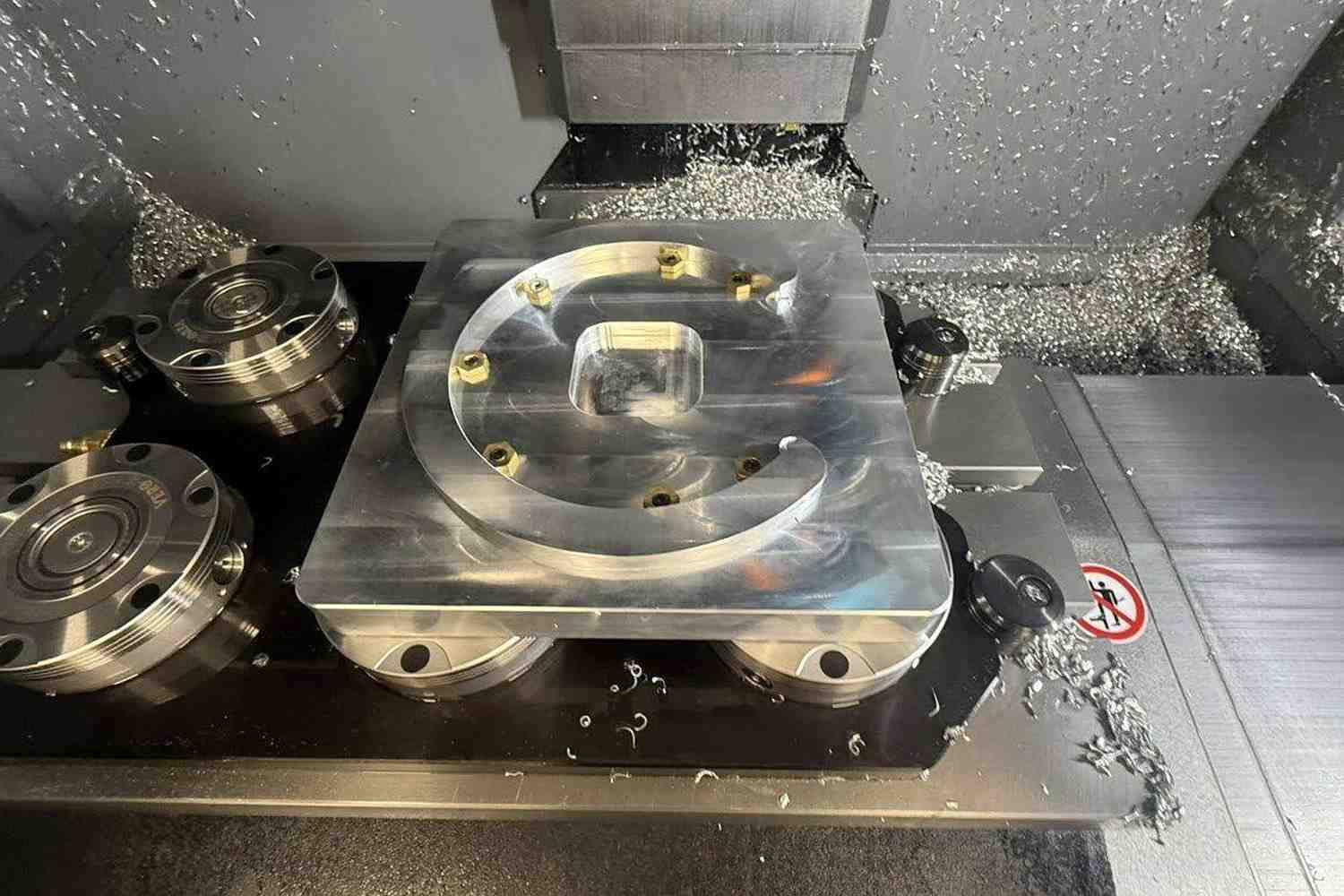
From CAD model to finished, inspected assembly, IES Semiconductor Parts builds the 200mm/8-inch hollow gripper entirely under one roof for 9500,...
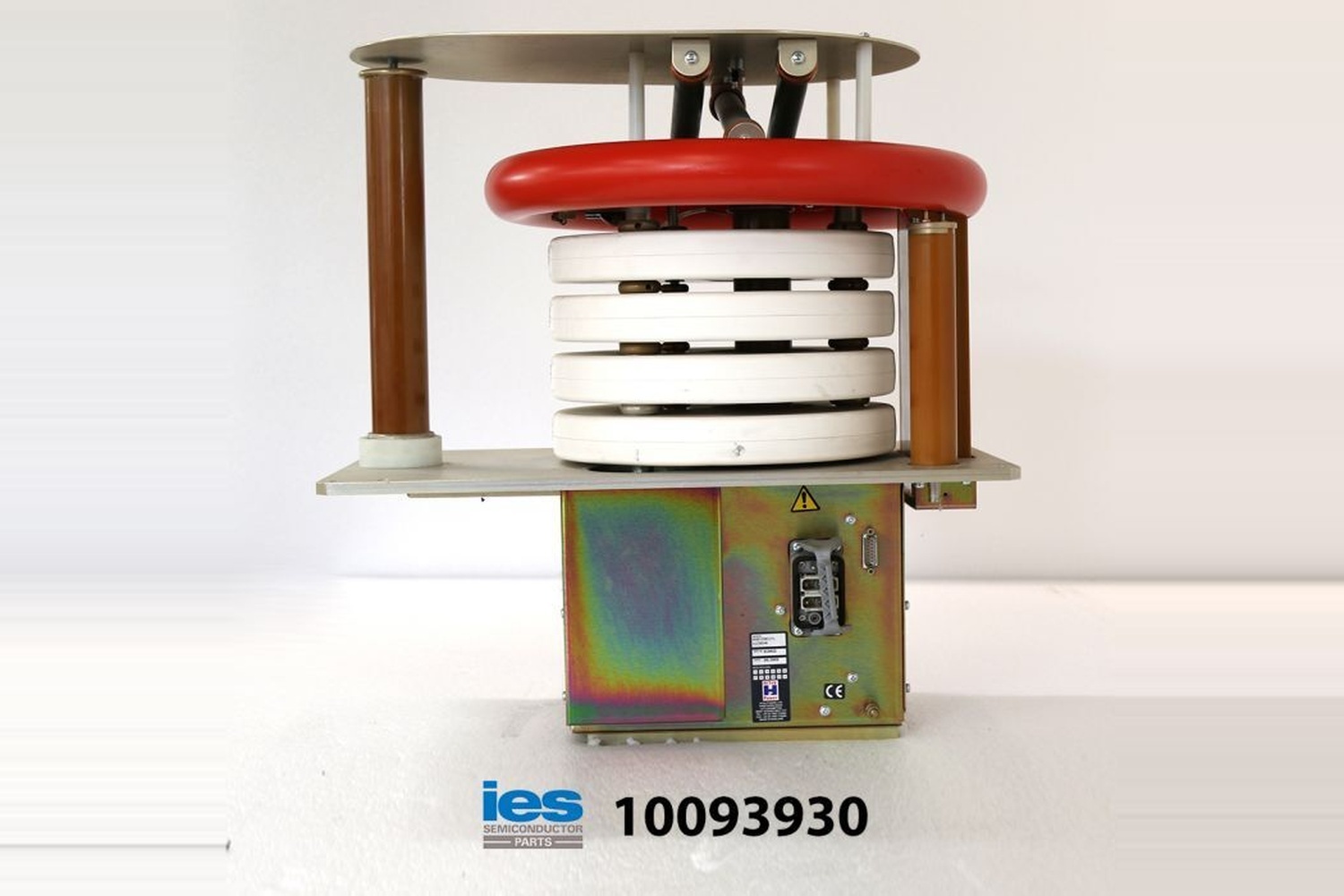
When the rings inside an ion implanter's high voltage stack begin to fail, voltage stability goes with them. Here's how IES Semiconductor Parts'...
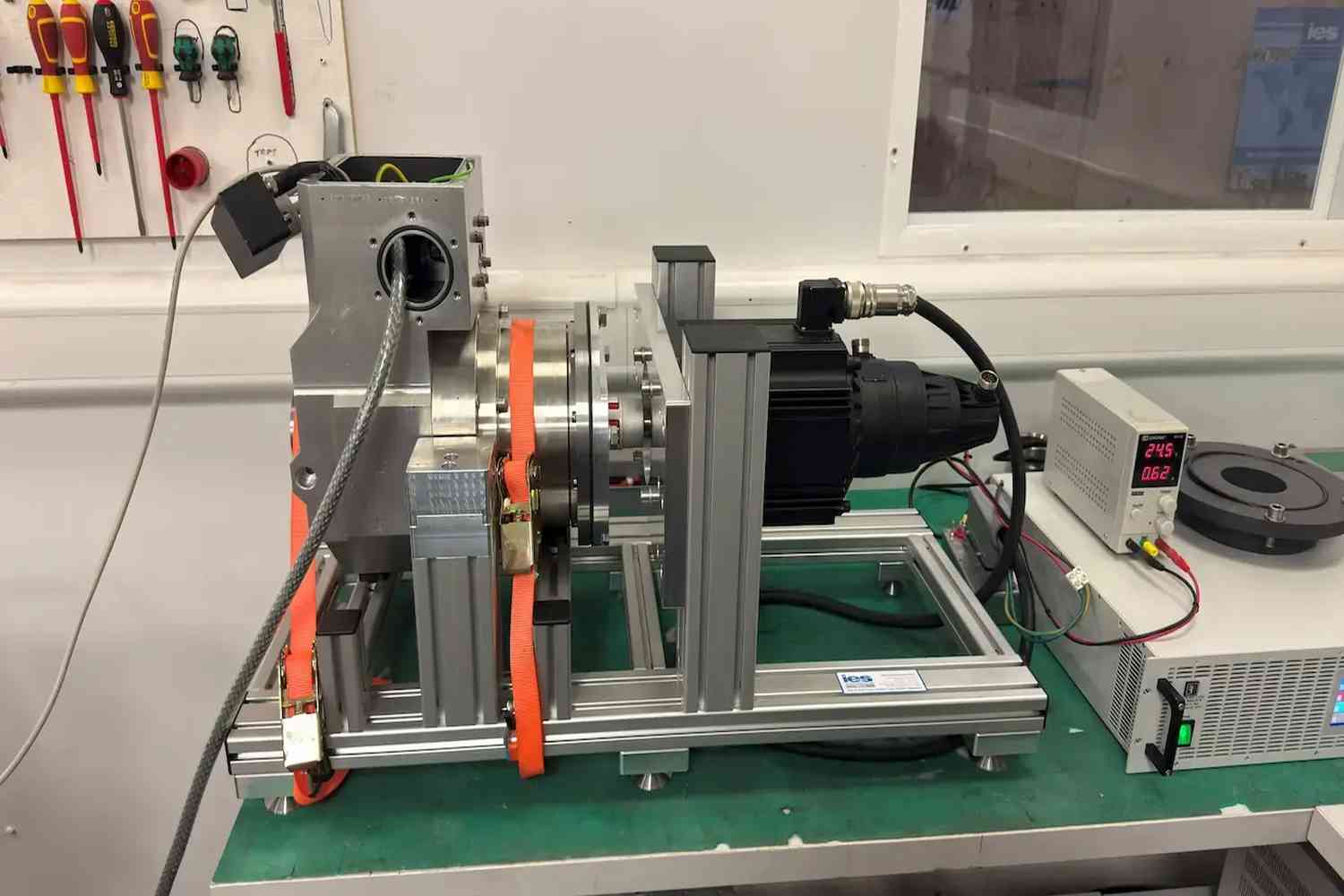
When a direct-drive spin motor fails on an AMAT ion implanter, the tool goes down — and the cost of that downtime almost always outweighs the cost of...