



AMAT Spin Motor Repair & Refurbishment: Restoring Failed Motors
When a direct-drive spin motor fails on an AMAT ion implanter, the tool goes down — and the cost of that downtime almost always outweighs the cost of...
5 min read
When the rings inside an ion implanter's high voltage stack begin to fail, voltage stability goes with them. Here's how IES Semiconductor Parts' repair team, led by Peter and Anthony, rebuilds these stacks using parts that are almost impossible to find anywhere else, then proves the repair works under full load in an EMC-shielded chamber.
An ion implanter's high voltage stack sits at the heart of the tool's ability to do its job. It is the assembly responsible for holding the voltage that accelerates ions to the precise energy required to implant them into a wafer. When it works, it is largely invisible to the process. When it starts to fail, the effects ripple through the whole tool, and a fab can find itself facing a tool down situation on equipment that, in every other respect, still has years of useful life left in it.
This is exactly the kind of problem IES Semiconductor Parts was built to solve. The team's specialism is legacy ion implanters, the workhorse tools still running in fabs around the world long after their original equipment manufacturers stopped supporting them. High voltage stack repair is one of the more technically demanding jobs that comes through the workshop, and it is a good example of what sets a genuine repair and testing capability apart from a simple parts swap.
|
What is a high voltage stack? A high voltage stack is the assembly inside an ion implanter that generates and maintains the high voltage used to accelerate ions to the correct implant energy. It is built from a series of insulating rings and a central voltage divider, all of which must hold voltage evenly and reliably for the implanter to run correctly. |
The rings within a high voltage stack are doing a difficult job continuously, holding and evenly distributing high voltage across the assembly, cycle after cycle, for years at a time. Over time they degrade. As they do, the voltage across the stack becomes less stable, and that instability can show up as process variation, unexpected trips, or, in the worst cases, arcing that risks damaging the wider implanter.
For a fab running a legacy implanter, this is a particularly unwelcome problem, because these are exactly the rings that original equipment manufacturers stopped making years ago. Sourcing them isn't a case of placing an order and waiting for delivery. In most cases, they simply aren't available to buy anywhere.
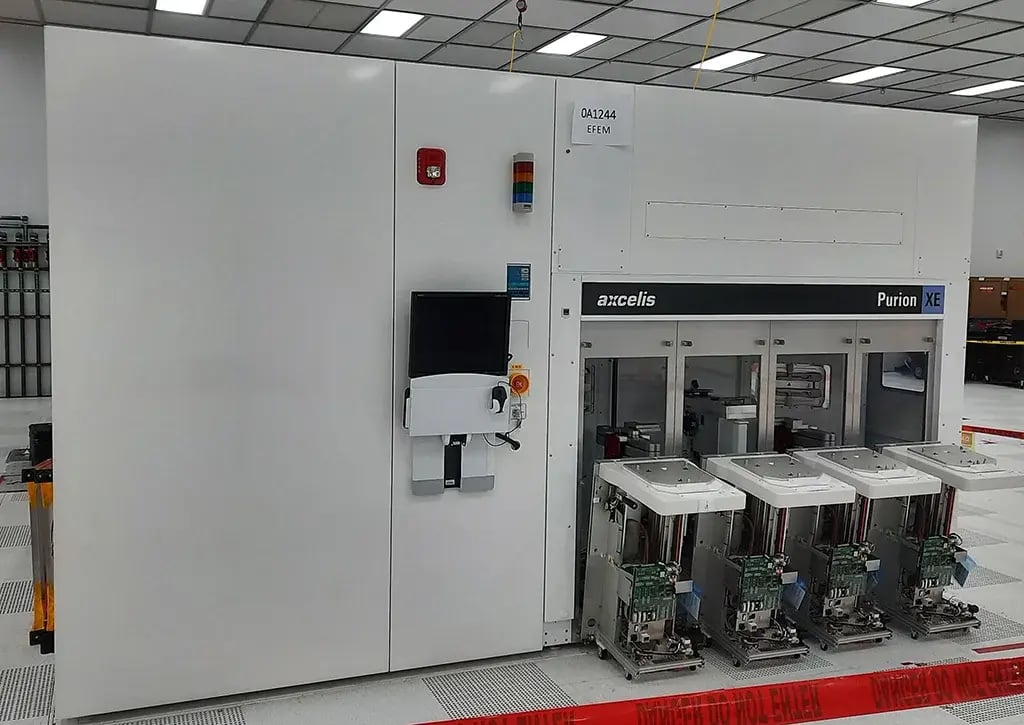
IES Semiconductor Parts holds a stock of the rings needed for these repairs, drawn from its parts inventory, which is a position almost no one else in the industry is in. Rather than treating a failing high voltage stack as scrap, or leaving a fab searching for parts it can't find, the team can replace the failed rings directly from stock.
The voltage divider, which sits in the middle of the stack, is assessed and replaced on condition as part of the same repair. It plays a critical role in how voltage is distributed through the assembly, and if it fails it can cause arcing. Addressing it proactively during the rebuild, rather than waiting for it to become the next point of failure, is part of what makes the repair durable rather than a temporary fix.
A rebuilt high voltage stack is only as good as the confidence a customer can have in it before it goes back into a live production tool. That is why every stack repaired by IES Semiconductor Parts is tested at full capacity in the company's EMC chamber, verifying that the assembly holds voltage correctly under real operating conditions before it is signed off.This is the difference between a repair that has been done and a repair that has been proven. A great many workshops can replace a visibly failed component. Far fewer can test the result under the same conditions the part will actually face once it's back in the fab, and fewer still have the inventory on hand to make a like-for-like rebuild possible in the first place.
Ion implanters sold in the 1990s are, in many cases, still running in fabs today. Replacing one isn't a simple like-for-like swap, it means requalifying an entire line's infrastructure, which most fabs will avoid unless there is genuinely no alternative. A high voltage stack repair that restores full, tested performance is often the difference between keeping a proven tool running and facing a far larger and more disruptive capital decision.
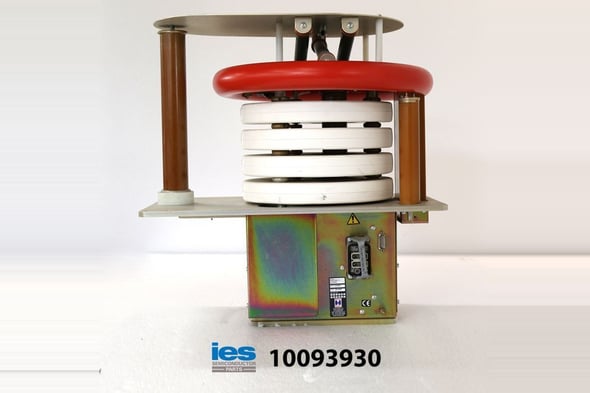
Many repair providers can replace a visibly failed part, but few hold stock of obsolete rings for legacy high voltage stacks, and fewer still can test the rebuilt assembly at full capacity in an EMC-shielded environment before it is returned to the customer.
|
Stage |
What happens / why it matters |
|
Diagnosis |
Stack is assessed for ring degradation and voltage divider condition — confirms the root cause of instability before any parts are replaced |
|
Ring replacement |
Failed rings are replaced from IES Semiconductor Parts' own stock — avoids a search for obsolete parts that are no longer manufactured |
|
Voltage divider |
Replaced on condition as part of the same repair — removes the risk of arcing from a divider that fails soon after |
|
Full capacity test |
Rebuilt stack is tested in the EMC chamber under real load — confirms the repair holds voltage correctly before it ships |
High voltage stack rings and voltage dividers are held as inventory rather than listed as individually numbered catalogue items, since each rebuild is matched to the specific stack in front of the team. Elsewhere in the high voltage part of the business, IES Semiconductor Parts' store lists related components against their original equipment manufacturer (OEM) part numbers, including:
|
Product |
OEM number |
|
60KV Stack |
|
|
200KV Stack |
0090-91033 |
|
80KV Stack |
|
|
OL6000 60kV Stack and Pre-Accel Converter |
|
|
Hi-Voltage 80kV Stack |
Talk to the Semiconductor Parts team about your high voltage stack

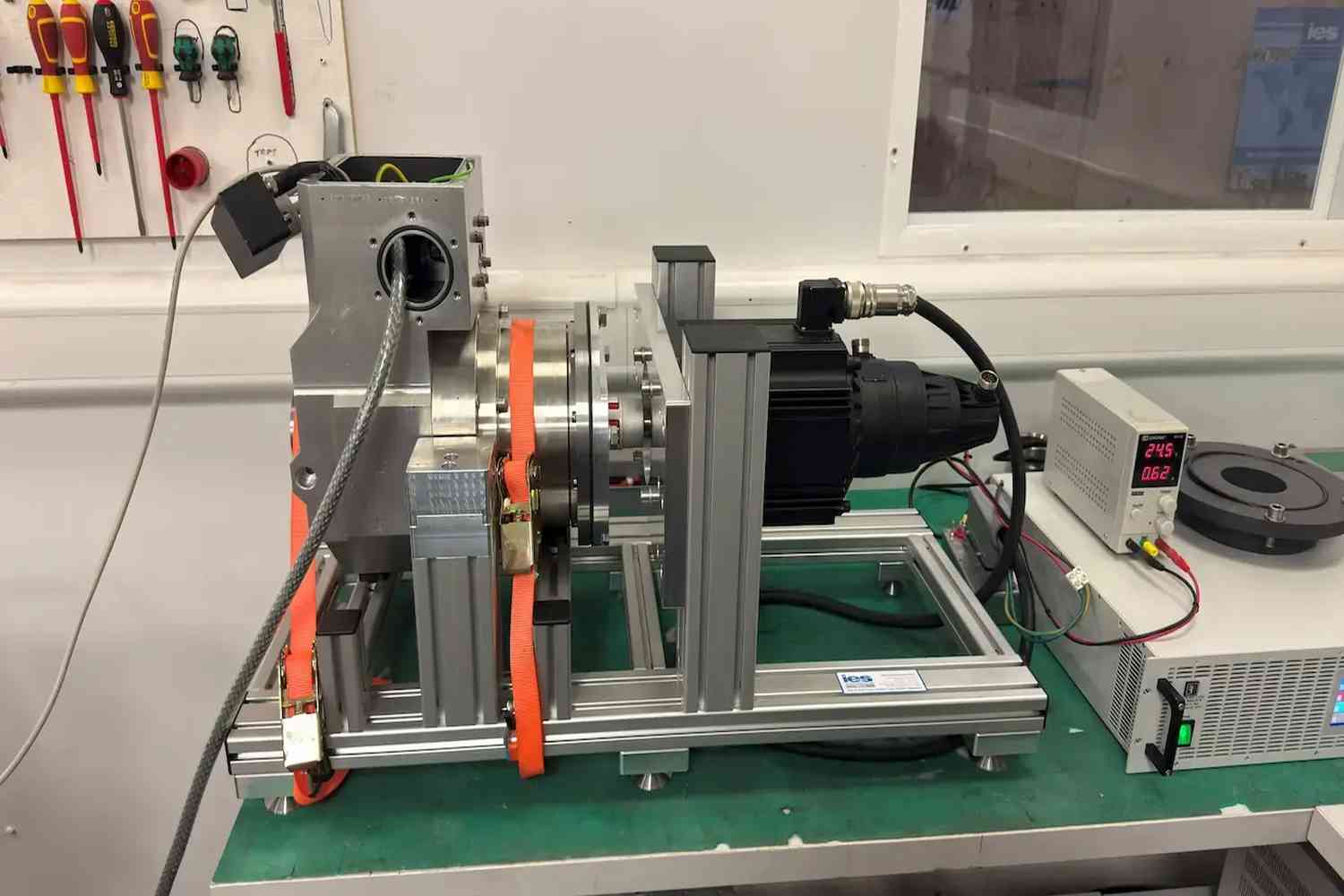
When a direct-drive spin motor fails on an AMAT ion implanter, the tool goes down — and the cost of that downtime almost always outweighs the cost of...
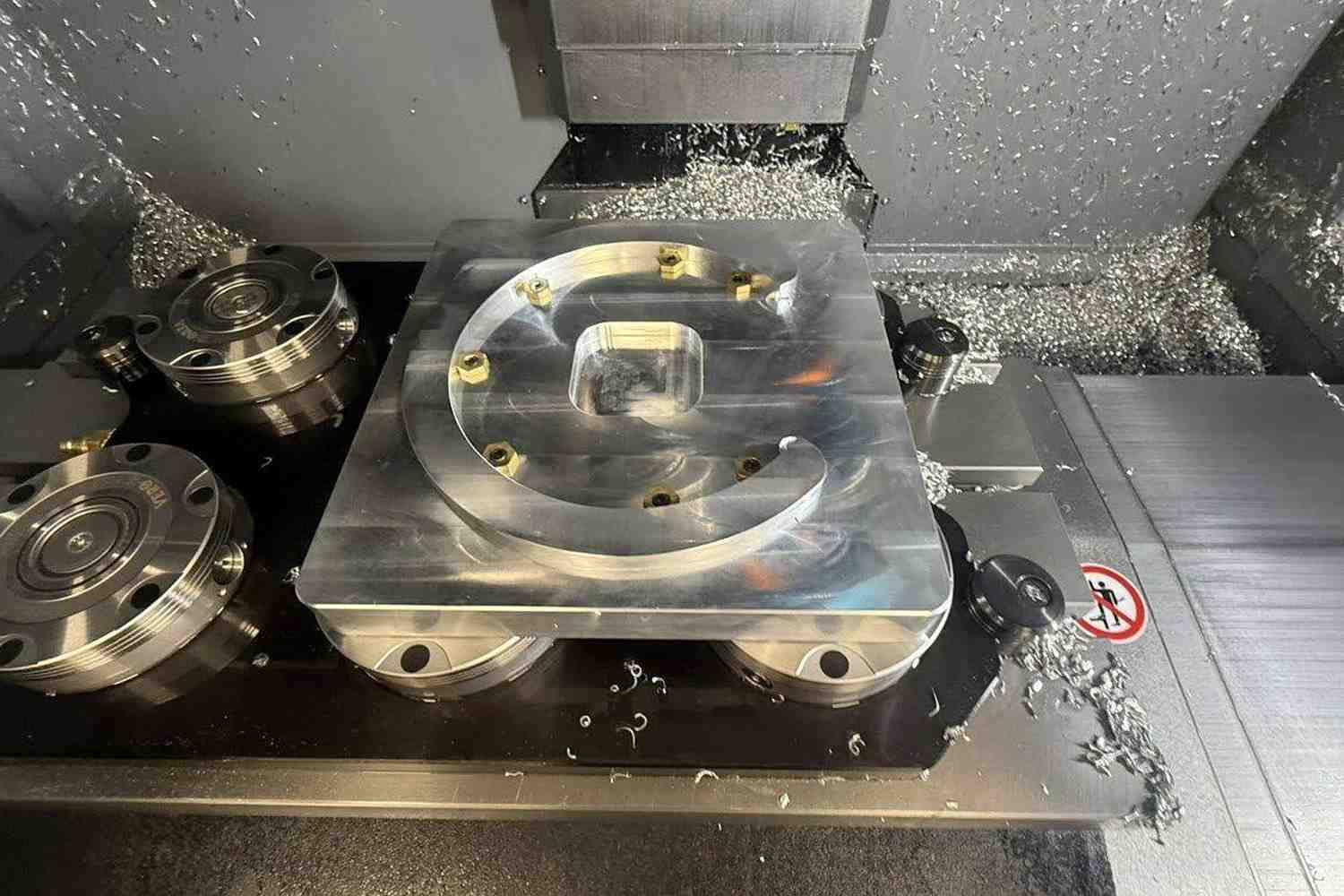
From CAD model to finished, inspected assembly, IES Semiconductor Parts builds the 200mm/8-inch hollow gripper entirely under one roof for 9500,...
.jpg)
When a critical ion implanter goes down in a production environment, the clock starts ticking. Every hour of unplanned downtime carries a cost — in...