

AMAT Spin Motor Repair & Refurbishment: Restoring Failed Motors
When a direct-drive spin motor fails on an AMAT ion implanter, the tool goes down — and the cost of that downtime almost always outweighs the cost of...
3 min read
When a Varian Cold Cathode Vacuum Controller fails, the search for a replacement usually ends quickly and badly. These units are long out of production, spares are almost impossible to find, and the few that surface are often of unknown history. For anyone running a tool that depends on one, that can mean extended downtime with no clear way back.
So we decided to stop searching and start building. We took a known good unit and reverse engineered every aspect of it, from the bare metal chassis to the custom circuit boards, so we can now offer a fully working replacement to our customers.
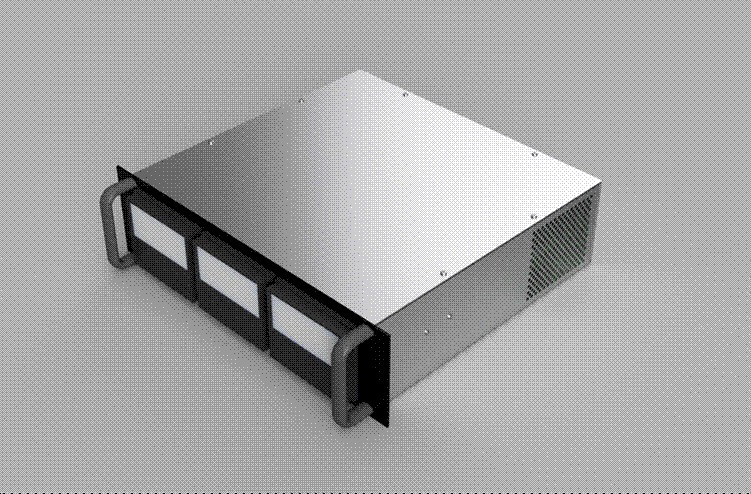
The finished reverse engineered Varian three-gauge controller, rendered in 3D CAD
Reverse engineering a complete controller is not a small undertaking. It takes time, specialist skills and a willingness to understand a design nobody has documented for you. But the alternative for our customers was worse: waiting indefinitely for a used unit that might never appear, or facing the cost and disruption of re-engineering part of their tool around a different controller.
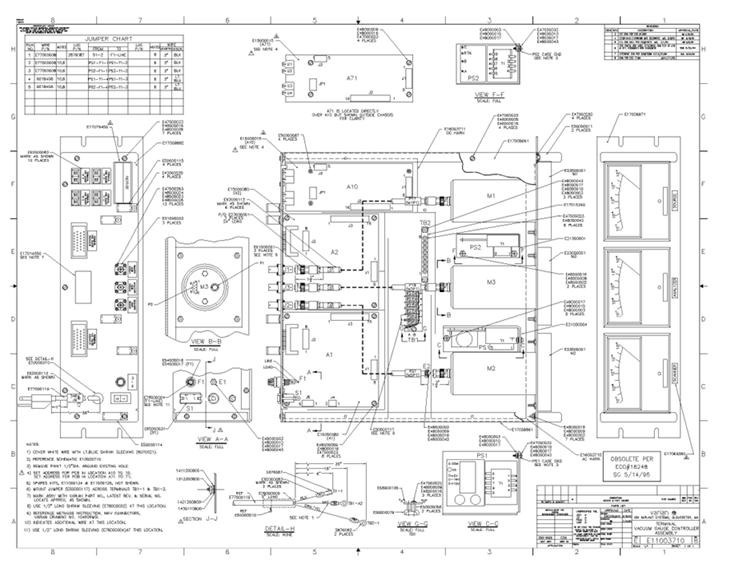
Varian's original 1997 assembly drawing for the controller, marked obsolete
By recreating the unit ourselves, we turn an unobtainable part into one we can supply on demand. We also gain a complete understanding of how it works, which means we can support it properly for years to come.
The process started with a known good unit, which we stripped completely down to its bare chassis. Every panel, bracket, cut-out, hole and mounting point was carefully measured, so that nothing about the original geometry was left to guesswork.
From those measurements we built a full 3D CAD model of the chassis, capturing every aspect of the original. Working in CAD let us check fit and clearances virtually, confirm that internal components and connectors would line up exactly, and make sure the finished unit would drop straight into a customer's tool just like the original.
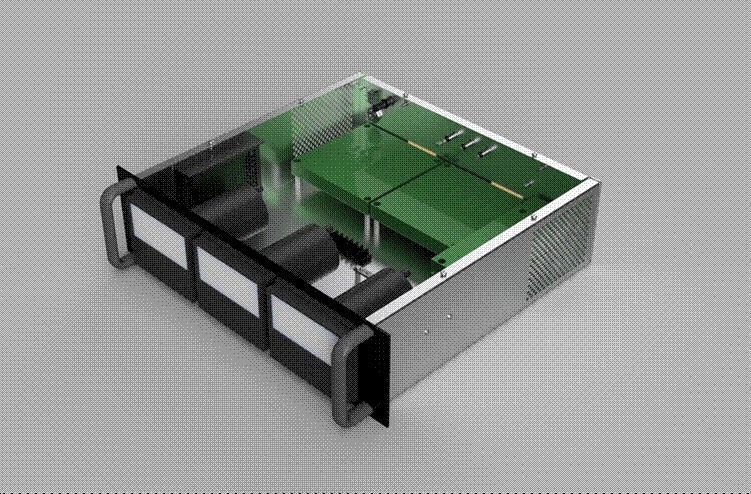
Our 3D CAD model with the cover removed, showing the front panel meters and internal layout
With the CAD model complete, we used modern manufacturing techniques to replicate the chassis. The result matches the original's form and fit, but is produced with today's precision and repeatability.
Because the design now exists as a digital model, we are no longer dependent on a dwindling supply of old hardware. We can produce chassis consistently, unit after unit, to the same specification.
The original power supply units are obsolete, so simply sourcing replacements was never an option. Instead, we identified modern PSUs that are like-for-like spec equivalents of the originals, matching the electrical performance the controller was designed around.
Fitting new PSUs also brings a practical benefit: customers get fresh, current-production components rather than decades-old supplies with unknown hours on them.
The controller's circuit boards were custom designs and are not easily obtainable, so they had to be reverse engineered too. That meant working out how each board was laid out and how it functioned, then recreating it so that it behaves exactly as the original does within the unit.
This is often the most demanding part of a project like this. With the PCBs recreated, we now hold everything needed to build complete controllers rather than relying on salvaged boards.
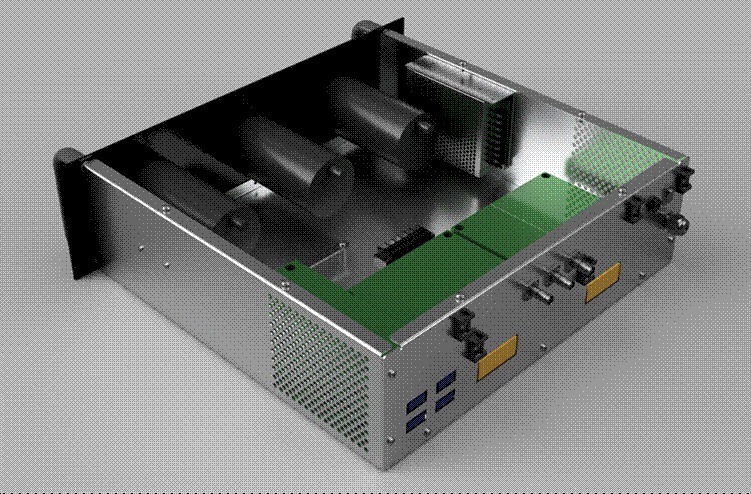
Rear view of the CAD model showing the recreated PCBs, new power supply and rear panel connectors
Once the new chassis is populated with the new PSUs and recreated PCBs, the unit is assembled and put through thorough in-house testing. A controller that powers on is not the same as a controller that works on a tool, so we built custom test jigs that simulate the tool's environment.
These jigs let us recreate what a tool would actually be doing, including faking scenarios that would be difficult, slow or risky to produce on real equipment. By pushing the controller through those simulated conditions, we can check that it responds correctly before it ever leaves our workshop.
Simulation only goes so far, so the reverse engineered controller also went onto a customer's tool. Combined with the testing we carried out in-house, that real-world installation gives us and our customers confidence that the unit performs as it should in production, not just on the bench.
|
Part Name |
OEM Number |

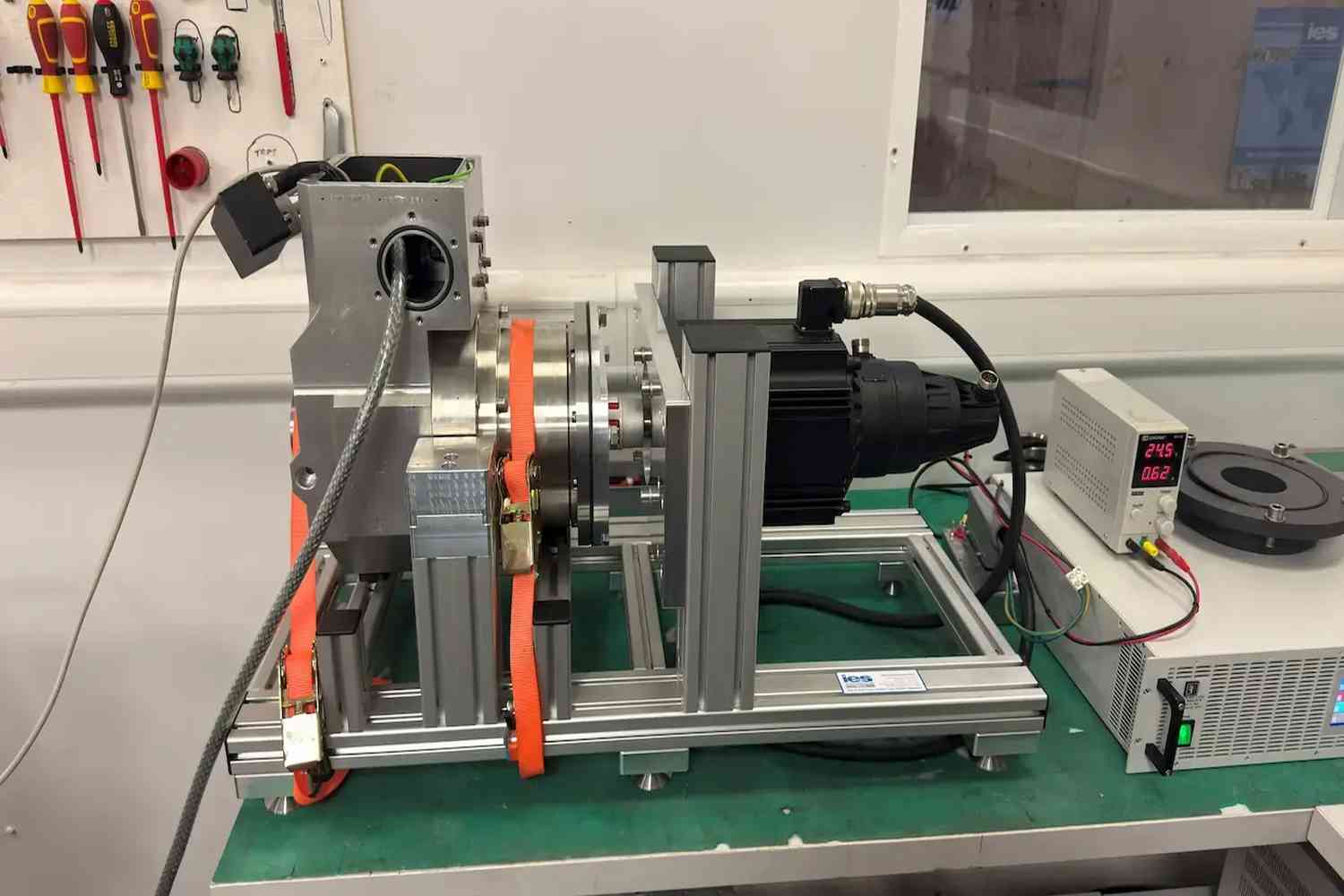
When a direct-drive spin motor fails on an AMAT ion implanter, the tool goes down — and the cost of that downtime almost always outweighs the cost of...
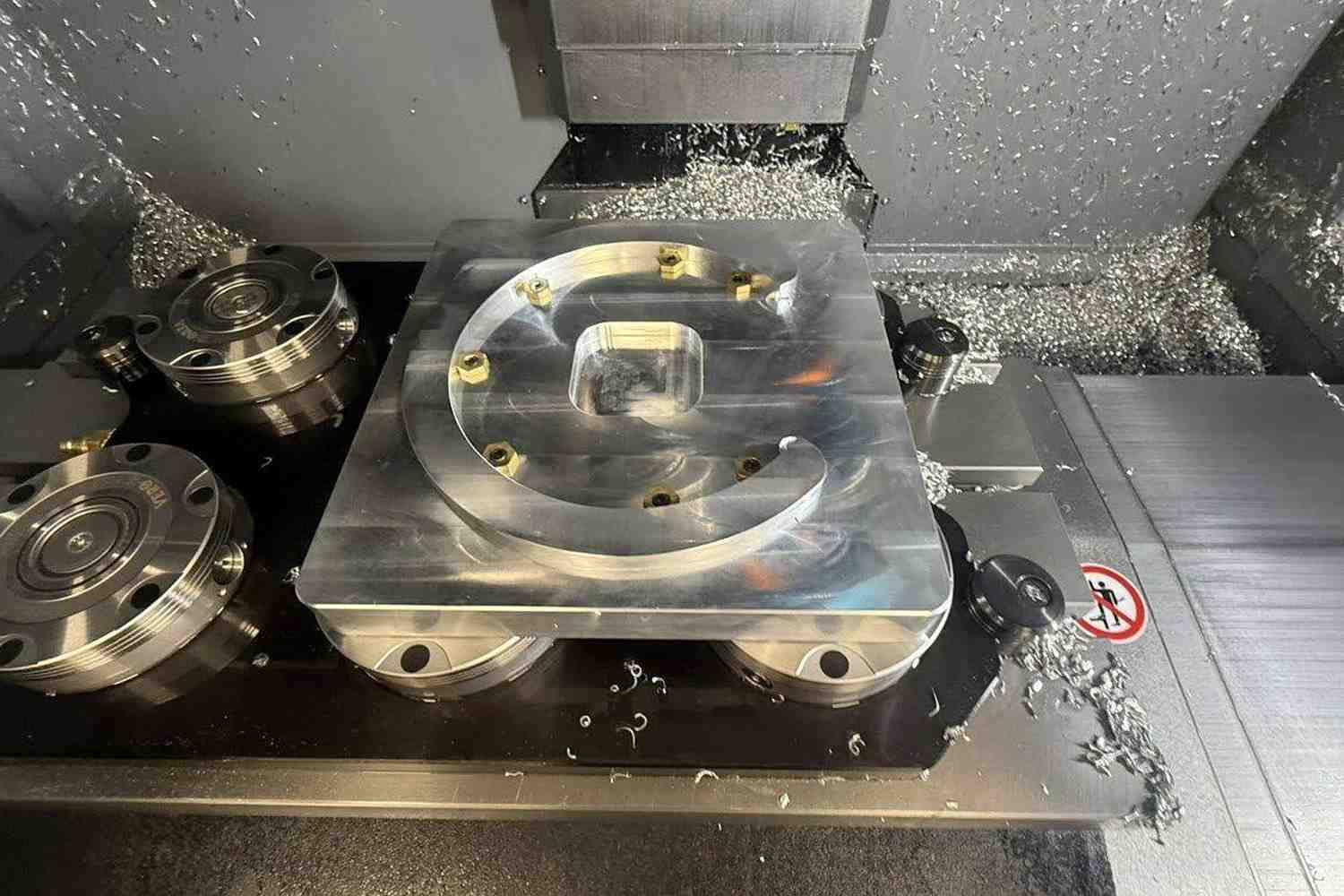
From CAD model to finished, inspected assembly, IES Semiconductor Parts builds the 200mm/8-inch hollow gripper entirely under one roof for 9500,...
.jpg)
When a critical ion implanter goes down in a production environment, the clock starts ticking. Every hour of unplanned downtime carries a cost — in...